Does teeth cleaning hurt, or is teeth cleaning painful as it is often searched? For most people with reasonably healthy gums, no, cleaning causes mild discomfort at most, commonly rated around one or two out of ten, not real pain. If your gums are inflamed or you have some degree of gum disease, sensitivity can be more noticeable, sometimes three to six out of ten without numbing, though this drops significantly with a topical numbing gel.
If discomfort has been the thing keeping you from booking a cleaning you know you are overdue for, this guide walks through exactly what causes any sensitivity, what is normal, and what genuinely helps make the appointment more comfortable. For the full pricing breakdown, see our teeth cleaning price in Kenya guide.
Why Teeth Cleaning Can Cause Some Sensitivity
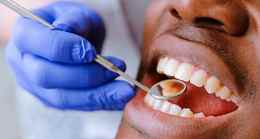
Cleaning involves physical contact with your teeth and gums, using either manual hand instruments or an ultrasonic scaler to remove hardened tartar. The sensation most people notice comes from two sources. The physical pressure and vibration of scaling itself, generally described as an odd sensation rather than pain for someone with healthy gums. And, if your gums are inflamed from existing plaque or early gum disease, that inflamed tissue is simply more sensitive to touch than healthy tissue, which is why the same cleaning can feel very different for two different people depending on their starting gum health.
Does Teeth Cleaning Hurt for People With Healthy Gums
Generally, no, not in any significant way. Most people with healthy gums and a consistent history of regular cleanings describe the sensation as mild pressure, occasional mild sensitivity to the vibration of an ultrasonic scaler, and nothing that reaches the level of actual pain. This is one of the more reassuring facts about routine dental cleaning, the more consistently you keep up with your recommended schedule, the less there typically is to clean at each visit, and the more comfortable the appointment tends to be as a result.
Does Teeth Cleaning Hurt More If You Have Gum Disease
Yes, somewhat, and this is worth understanding rather than being surprised by. Inflamed, swollen gum tissue associated with gum disease is inherently more sensitive to touch and pressure than healthy tissue. Scaling around and beneath these areas can feel more noticeable, sometimes rated three to six out of ten without any numbing. This is not a sign that anything is being done incorrectly, it reflects the underlying inflammation your dentist is actually treating, and a topical numbing gel brings this down considerably, often to a zero to two out of ten range, for anyone who finds it uncomfortable. If your gum disease is significant enough, your dentist may recommend deep cleaning rather than standard cleaning, covered in our deep cleaning vs standard cleaning comparison.
The Sound of Ultrasonic Scalers
A specific detail worth mentioning: if your cleaning uses an ultrasonic scaler, you will hear a high-pitched buzzing or scraping sound throughout much of the appointment. Many people find this sound more unsettling than the actual sensation of the cleaning itself, purely because it is unfamiliar. It is simply the vibration mechanism breaking tartar loose from your tooth surface, not an indication of anything painful or concerning happening. If the sound genuinely bothers you, asking to listen to music or a podcast through headphones during the appointment is a completely reasonable request most clinics can accommodate.
What Scaling Actually Feels Like, Described Plainly
Rather than a vague reassurance, here is what the sensation genuinely resembles for most patients. During scaling, you may feel a scraping or tapping sensation as tartar is removed, along with occasional pressure against a specific tooth or area. It is not a cutting or piercing sensation, since the instruments are designed to work along the tooth surface rather than into it. Areas with more built-up tartar can feel slightly more noticeable than areas that are already relatively clean, which is part of why a first cleaning after a long gap can feel different from a routine six-month visit with minimal buildup.
What Polishing Feels Like
Polishing, the step that follows scaling, is generally described as the more comfortable, even relaxing part of the appointment. Your dentist uses a small rotating rubber cup with a gritty paste to smooth your tooth surfaces, which most patients describe as a gentle vibration and mild grittiness, genuinely not painful. The paste itself often has a mild mint or fruit flavour, and many patients find this part of the appointment the easiest to tolerate, sometimes even pleasant compared to the scaling that came before it.
Sensitivity After Your Cleaning
It is common to notice increased sensitivity to hot or cold for a day or two after a cleaning, particularly if a significant amount of tartar was removed. This happens because tartar buildup, while unhealthy, had been sitting against your tooth and gum tissue, sometimes for months or years, and its removal briefly exposes tooth surfaces that had been covered. This is not damage, and it settles within a day or two as your teeth adjust to being tartar-free. Using a toothpaste designed for sensitive teeth for a few days afterward can ease this if it bothers you.
How to Make Your Cleaning More Comfortable
A few practical steps genuinely help if you are anxious about discomfort. Mentioning any known sensitivity or gum tenderness at the start of your appointment lets your dentist adjust their approach or offer numbing gel proactively rather than reactively. Taking an over the counter pain reliever about thirty minutes before your appointment, if your dentist confirms this is appropriate for you, can take the edge off for anyone with known sensitivity. Bringing headphones for the scaler sound, if that specifically bothers you. And keeping up with your recommended cleaning interval consistently, since less tartar buildup at each visit generally means a more comfortable appointment overall.
Does Teeth Cleaning Hurt More for a First-Time Cleaning
Often yes, somewhat, though not dramatically. A first professional cleaning, or one after a long gap, typically involves more tartar buildup than a routine six-month visit, which can mean a longer appointment and occasionally slightly more noticeable sensitivity simply due to the greater amount of work involved. This is not a reason to avoid booking if it has been a long time, it is simply useful to know what to expect, and subsequent cleanings on a regular schedule tend to be quicker and more comfortable by comparison.
When Discomfort During Cleaning Is Worth Mentioning
Most sensitivity during and after cleaning is mild and expected, but a few things are worth flagging to your dentist directly rather than just enduring. Sharp pain, rather than pressure or mild discomfort, at any point during the appointment. Sensitivity that feels disproportionate to what your dentist is describing as a routine cleaning. Ongoing significant sensitivity that does not ease within a couple of days afterward. None of these are common, but a good dentist wants to know if something feels wrong rather than have you simply push through it silently.
Comparing Cleaning Discomfort to Other Dental Procedures
Placed alongside other common dental treatments, routine cleaning sits well toward the more comfortable end of the spectrum. It does not typically require anaesthesia the way a filling or root canal does, and the sensation involved is closer to pressure and vibration than anything approaching real pain for someone with reasonably healthy gums. Deep cleaning, a different and more involved procedure for people with gum disease, involves more sensitivity and commonly uses numbing, but standard routine cleaning is genuinely one of the more tolerable things you will do at a dental visit, even for people who consider themselves generally anxious about dental appointments.
Why Anxiety About Cleaning Often Outweighs the Actual Sensation
For many people, the anticipation of a dental cleaning is genuinely worse than the appointment itself. This gap between expectation and reality is common enough that it is worth naming directly. Childhood memories of an uncomfortable dental visit, secondhand stories from other people, or simply general dental anxiety unrelated to any specific past experience can all build up a sense of dread that the actual, fairly mild sensation of cleaning rarely matches. Recognising this pattern in yourself, if it applies, does not make the anxiety less real, but it is worth knowing that most people who have avoided cleanings out of fear describe the actual appointment as far more manageable than they expected once they finally book it.
What to Tell Your Dentist if You Are Anxious
Being upfront about dental anxiety, rather than trying to push through it silently, genuinely changes how your appointment goes. A dentist who knows you are anxious can explain each step before it happens, check in more frequently during the appointment, and offer numbing proactively rather than waiting for you to ask. Some patients find it helpful to establish a simple signal, like raising a hand, to pause the appointment at any point if something feels like too much. None of this is an overreaction to a routine cleaning, it is a reasonable way to make a genuinely manageable procedure feel more manageable for you specifically.
Does Age Affect How Much Cleaning Hurts
Not dramatically, though a few things shift with age worth knowing. Children’s teeth and gums are generally more resilient to the sensation of cleaning, and most children tolerate routine cleaning well once any initial nervousness about the unfamiliar setting eases. Older adults sometimes experience more sensitivity due to gum recession, which can expose more of the tooth root, a more sensitive area than the enamel-covered crown of the tooth. This is not universal, and a dentist can adjust their approach for anyone with known sensitivity regardless of age.
Numbing Options If You Know You Are Sensitive
Beyond a general topical gel, a few options exist for patients who know in advance that cleaning tends to be uncomfortable for them. A stronger topical anaesthetic can be applied directly to particularly sensitive areas before scaling begins. For patients with more significant sensitivity or anxiety, some clinics offer additional options worth asking about directly at booking, rather than discovering your choices only once you are already in the chair. None of these are necessary for most people, but knowing they exist can make the decision to finally book a long-overdue cleaning easier for anyone who has been putting it off specifically due to past discomfort.
Comfort Measures During the Appointment Itself
A few simple things during the appointment itself genuinely help. Taking slow, steady breaths rather than tensing up reduces how intense any pressure sensation feels, since tension itself can amplify discomfort. Raising a hand or agreeing on another simple signal beforehand if you need a brief pause is a completely reasonable thing to arrange, most dental professionals are used to this and do not consider it an inconvenience. And reminding yourself, if anxiety builds during the appointment, that the sensation you are feeling is temporary and the appointment itself typically lasts well under an hour, can help keep things in perspective when a routine procedure starts to feel bigger than it actually is.
The Bottom Line on Whether Teeth Cleaning Hurts
For the vast majority of people, cleaning is a mild, tolerable procedure, not something to dread. The short-lived, manageable sensation of a routine cleaning is a small trade-off for the meaningful protection it offers your teeth and gums over time. If discomfort or anxiety has genuinely been keeping you away, telling your dentist that directly, rather than staying away entirely, is the step that actually resolves the problem.
Why Patients Choose Elephant Dental Kiambu
Elephant Dental Kiambu is a KMPDC-registered dental practice on Biashara Street, with patients consistently mentioning unhurried explanations and visible sterilisation between patients. Every cleaning appointment includes checking in on your comfort throughout, and numbing gel is offered proactively for anyone with known sensitivity, working within the wider Elephant Dental network. Every step is explained clearly before it happens, so nothing about the appointment catches you off guard.
The clinic is open seven days a week, 8am to 5pm, including Sundays, at Kikinga House on Biashara Street, a short walk from Kiambu Town Main Stage.
Frequently Asked Questions About Whether Teeth Cleaning Hurts
Does teeth cleaning hurt for most people? No, not significantly. Most people with reasonably healthy gums describe cleaning as mild discomfort at most, commonly rated one or two out of ten, not real pain.
Why does teeth cleaning hurt more for some people than others? Inflamed gum tissue from existing gum disease is more sensitive to touch than healthy tissue, which is why the same cleaning procedure can feel very different depending on your starting gum health.
Can I ask for numbing during a routine cleaning? Yes. A topical numbing gel can be requested for anyone who finds cleaning uncomfortable, and is commonly used for people with inflamed or sensitive gums.
Is it normal for teeth to feel sensitive after a cleaning? Yes, mild sensitivity to hot or cold for a day or two afterward is common and expected, since removing tartar buildup briefly exposes tooth surfaces that had been covered.
Does a first-time cleaning hurt more than a routine one? It can feel slightly more noticeable due to greater tartar buildup and a longer appointment, though it is not dramatically different, and subsequent regular cleanings tend to be more comfortable.
Still Anxious About Teeth Cleaning
That is completely normal, and knowing what to expect is often all it takes to feel more at ease. Message Elephant Dental Kiambu on WhatsApp with any questions about what to expect, and the team will walk you through it honestly, with no obligation to book anything further. You can also call 0143 178126 directly, or use the booking calendar on the clinic’s contact and directions page.
Ask What to Expect on WhatsApp